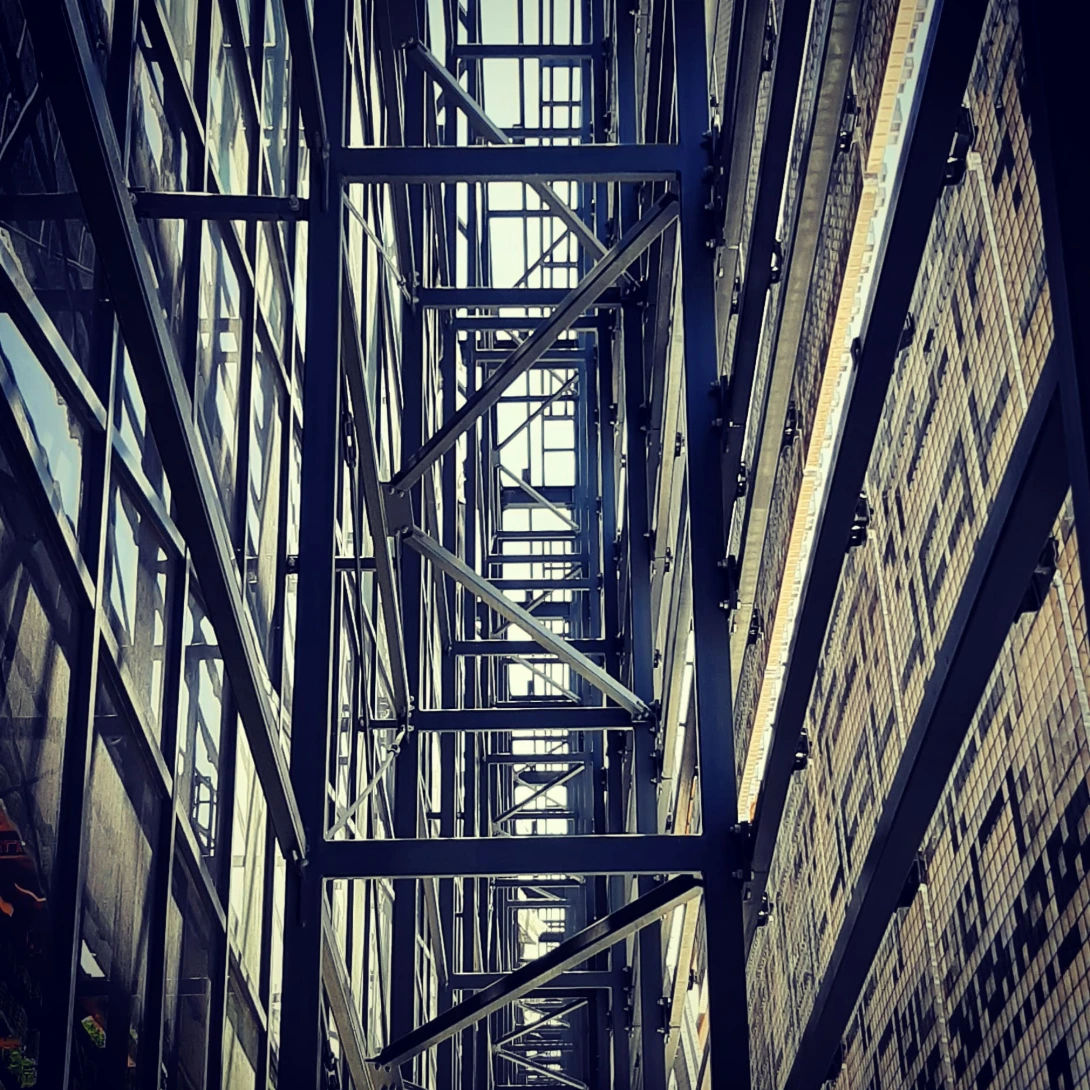
ARCHITECTURE
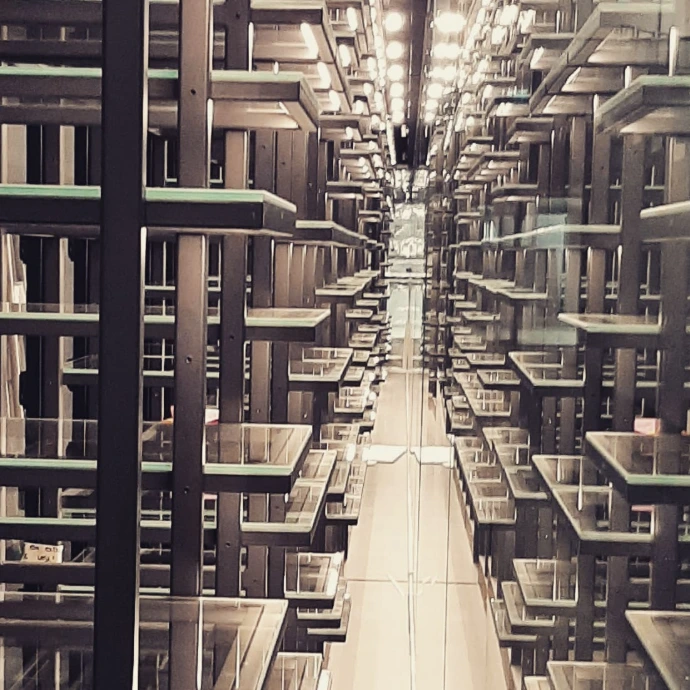
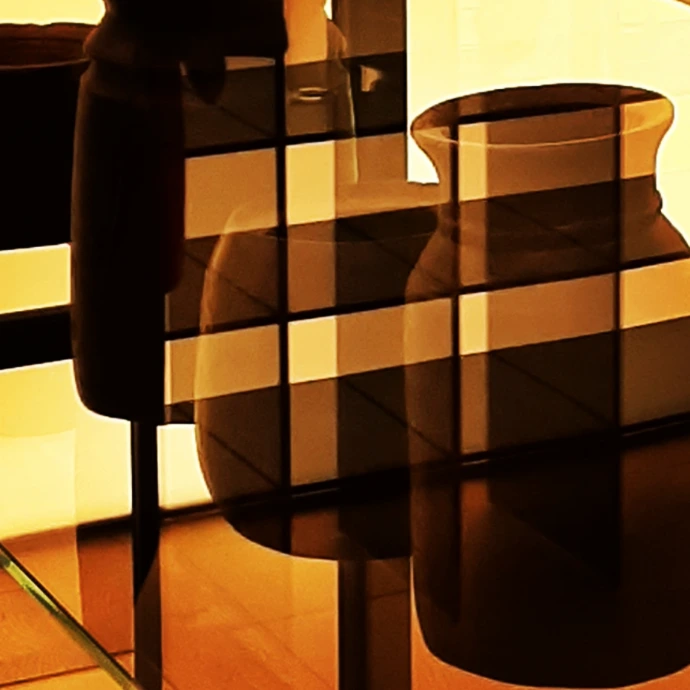
The images treat architecture not as a functional system, but as a mental structure. Space is not a unit of use, but a perceptual construct in which the viewer’s position is implicitly defined. Light is the primary formative force: it does not illuminate, but rather articulates and separates. The materials (concrete, glass, plastered surfaces) are not aesthetic choices, but rather surfaces that carry meaning. The architecture here is reduced, but not minimalist—rather, it is a disciplined and controlled spatial logic.
NATUR
Natural elements do not appear as romantic landscapes, but in their raw, structural state. Here, nature is not a counterpoint to the built environment, but rather its analogous system. The surfaces (earth, plants, stone) bear the marks of time and erosion, not mere ornamentation. In the compositions, nature is also disciplined: cropped, controlled, and isolated. The mood is restrained, almost pre-aesthetic, where the scene has not yet become an image, but only a structure.

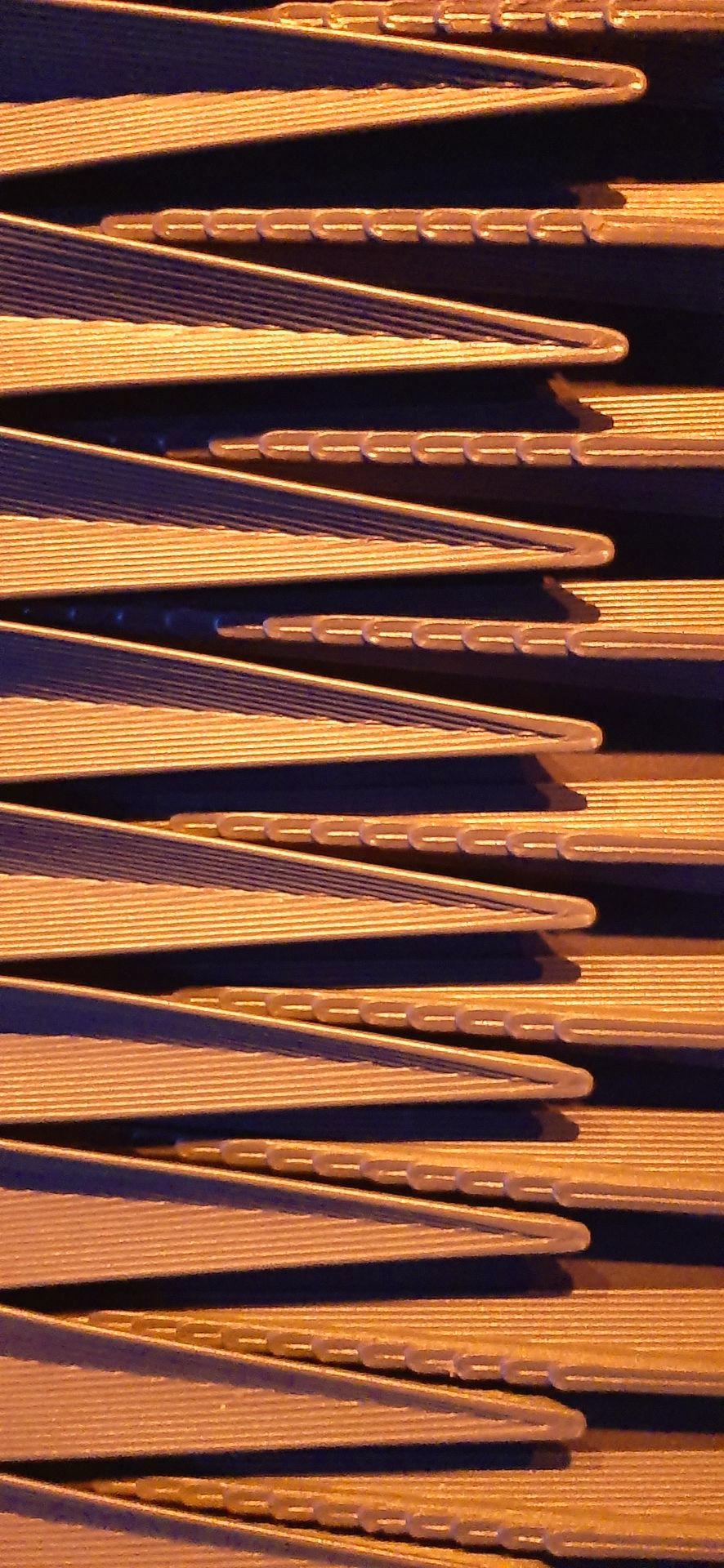
GEOMETRY
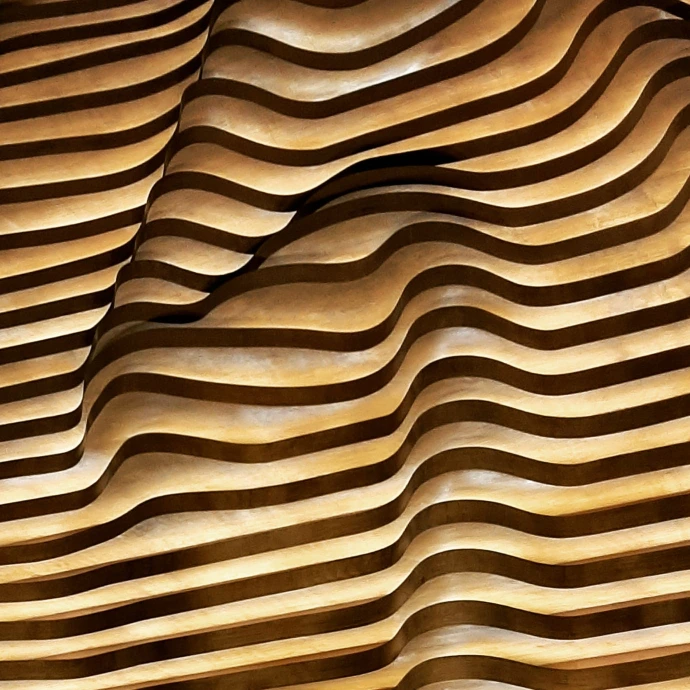
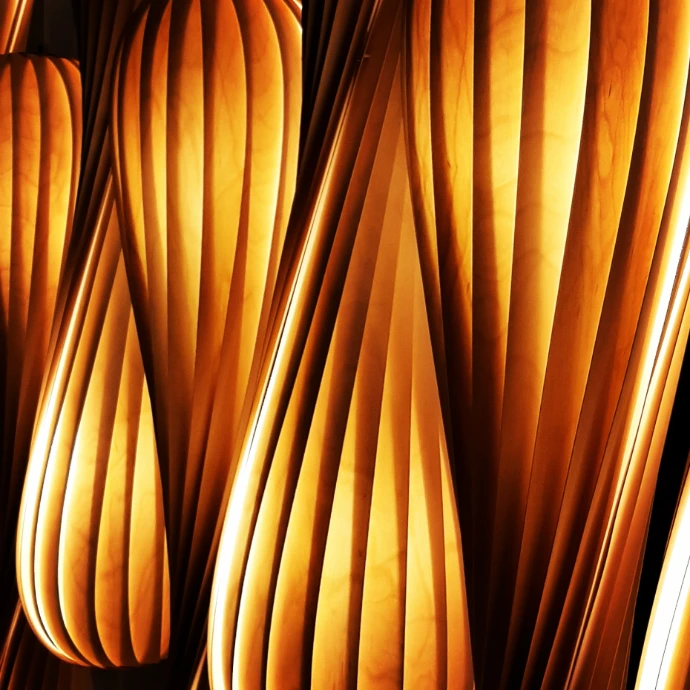
Geometry is not a decorative device, but rather the fundamental language and organizing principle of the images. The forms (lines, planes, intersections) constitute a hidden system that is not always explicitly discernible. The compositions often balance on the border between stability and instability. Here, geometry is not pure abstraction, but a structure extracted from real space. The viewer’s perception is active: the recognition of order occurs as a cognitive process.